

8 Effective Strategies to Boost Your Cars Fuel Efficiency and Cut Costs
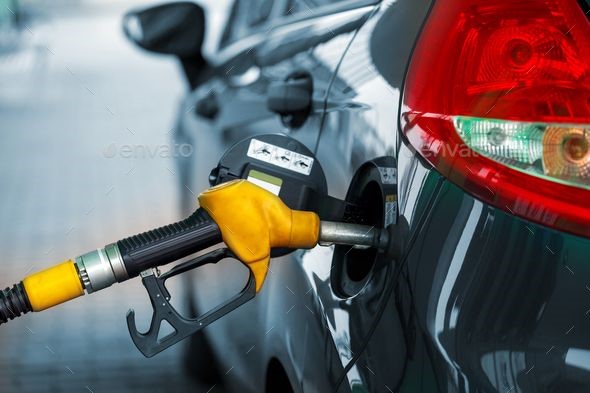
Here are eight smart and actionable ways to optimize your car’s mileage—plus an extra tip to keep your efficiency on track.
1. Adopt Smooth Driving Techniques—Avoid Abrupt Moves
One of the biggest fuel wasters is aggressive driving. Rapid acceleration, hard braking, and excessive speeding cause your engine to consume more fuel—sometimes up to 30% more. To drive efficiently, anticipate road conditions, keep a steady pace, and avoid sudden starts or stops. Gradual acceleration and maintaining a consistent throttle minimize engine strain and maximize miles per liter. Patience behind the wheel pays off for both fuel economy and your safety.
2. Maintain Proper Tire Pressure
Tires that are under-inflated create more rolling resistance, forcing your engine to work harder and burn extra fuel. Checking the tire pressure at least once monthly and inflating tires to the manufacturer’s recommended levels can improve fuel efficiency by about 3%. Keeping your tires properly pressurized also extends tire life and improves vehicle handling, making it a small effort with multiple benefits.
3. Lighten Your Load by Removing Excess Weight
Every additional 45 kilograms (100 pounds) carried by your car can reduce fuel economy by approximately 1%. Periodically clear out your vehicle of unnecessary items stored in the trunk or cabin. Avoid carrying bulky roof racks or rooftop cargo boxes when they aren’t needed, as they increase aerodynamic drag, forcing the engine to use more fuel. Travel light to help your car run more efficiently.
4. Utilize Cruise Control on Long, Flat Stretches
Maintaining a consistent speed is key to conserving fuel on highways. Cruise control actively prevents unnecessary acceleration and braking by holding the vehicle at a steady pace, which helps improve fuel economy during long drives on flat terrain. However, on hilly or mountainous roads, it’s best to switch it off, since the system may overwork the engine to maintain speed uphill, negating savings.
5. Keep Up with Scheduled Maintenance
Regular maintenance not only prolongs the life of your vehicle but also optimizes fuel consumption. Changing engine oil, air filters, and spark plugs on time ensures your engine runs cleanly and efficiently. Neglecting maintenance can lead to clogged filters or suboptimal engine function, causing your vehicle to guzzle more fuel. Check your owner’s manual for recommended service intervals and stick to them religiously.
6. Minimize Engine Idling
When your car is idling, it burns fuel without actually moving you anywhere—a wasteful practice. If you anticipate being stopped for more than 30 seconds (except in traffic jams), turn off the engine. Modern engines warm up quickly, and restarting uses significantly less fuel than idling for longer periods. This habit not only conserves fuel but also reduces harmful emissions.
7. Plan Your Routes and Errands Efficiently
Thoughtful trip planning reduces unnecessary driving and avoids stop-and-go traffic, both of which can drain fuel. Combine errands into a single trip and choose routes with fewer traffic lights or less congestion whenever possible. Apps and GPS systems with real-time traffic updates help you steer clear of jams, saving both time and fuel. Additionally, cold starts consume more fuel, so consolidating short trips optimizes overall fuel use.
8. Use the Manufacturer-Recommended Motor Oil
Selecting the correct grade of motor oil recommended for your vehicle is an easy way to enhance fuel efficiency. Using the wrong oil grade can lower fuel economy by 1–2%. Higher-quality synthetic oils often provide better engine lubrication, reducing friction and improving performance, which can contribute to improved mileage on some vehicles.
Bonus Tip: Keep Track of Your Fuel Economy
Monitoring your car’s fuel consumption regularly allows you to spot changes early on. Many modern vehicles display real-time mileage data on the dashboard. Sudden drops in fuel efficiency might indicate underlying mechanical issues or a need to adjust driving habits. Regularly tracking this information helps you stay proactive about maintenance and efficient driving.
Conclusion
Enhancing fuel efficiency is about adopting smarter driving habits and maintaining your vehicle responsibly. These changes not only lead to substantial money savings over time but also contribute positively to reducing your environmental impact. Start with one or two tweaks, then gradually integrate more into your routine—your vehicle and wallet will both benefit. Driving efficiently is a win-win that leads to safer, smoother journeys and a greener planet.
Latest Posts