

8 Countries Jointly Condemn Israeli Minister Ben-Gvir Over Flotilla Abuse

This joint statement by these countries serves to show that they are working collectively to apply pressure to Israel's ability to maneuver diplomatically on this issue during the weeks leading up to the upcoming events.
What happened
The controversy arises from a video posted by Ben-Gvir of detained activists from a Gaza bound flotilla, who are seen on their knees with their hands bound after being intercepted and placed into custody. The activists stated they were abused and Israeli prison authorities denied mistreatment.
The differences between the detainees' allegations and the official denials is what turned the story into a political powder keg. As the video spread on the internet, it changed the narrative from simply being about the flotilla to the public humiliation of detainees through abused power and whether the images violate international human dignity standards.
Why the joint statement matters
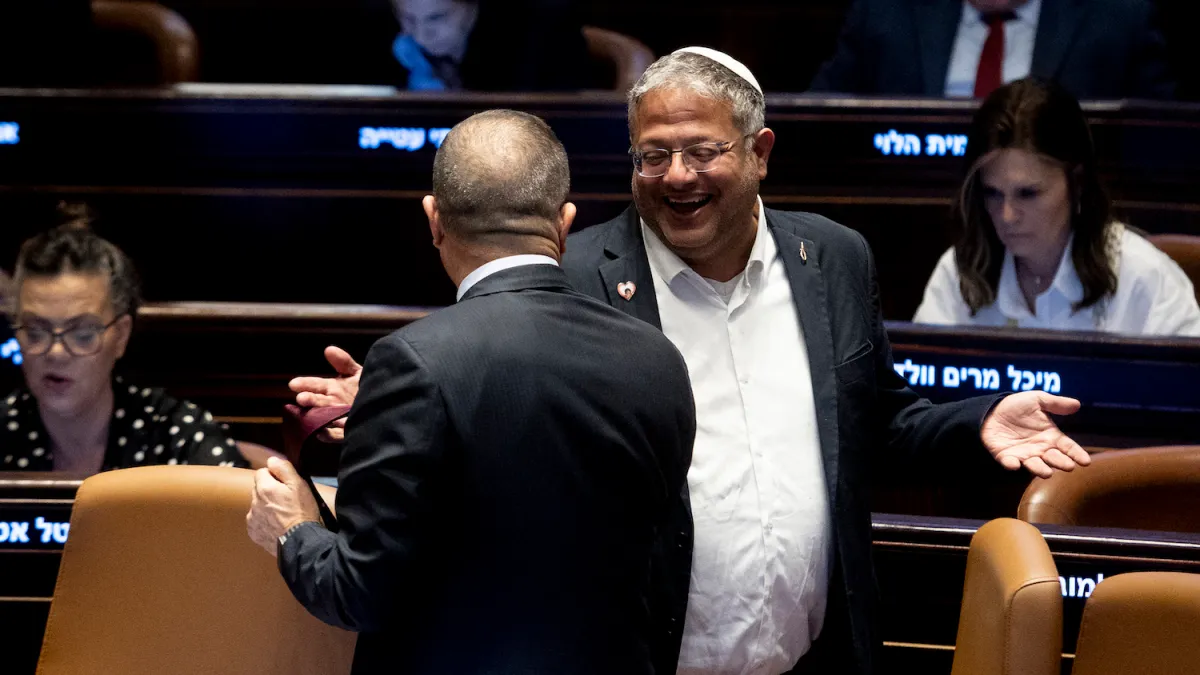
Despite there being eight nations represented (Türkiye, Egypt, Indonesia, Jordan, Pakistan, Qatar, Saudi Arabia and the UAE) all condemning Ben-Gvir's actions as indefensible, dehumanizing and unacceptable, it is the enumeration regarded as a violation of human rights and international humanitarian law that goes beyond what had previously been declared through such censure in terms of legal and diplomatic significance.
For audiences focused on business, this distinction is important since diplomatic language frequently influences future developments on marketplace, policy, and security issues. When multiple nations with significant authority across the Arab & Muslim world make joint statements they have the power to modify issues ranging from summit agendas to trade sentiment and the evaluation of risk by multinational firms operating in these areas.
The flotilla angle
The people arrested were involved in a humanitarian mission to deliver much-needed resources to Gaza via a flotilla, in which case it adds a human rights element to the story. The supporters of the mission claim that this was an act of charity, however, critics argue it is politically motivated. Regardless of whether or not the mission was charitable, once the members of the flotilla were being detained and publicly humiliated, the focus changed from the flotilla's purpose to the response of the authorities to the individuals involved.
One of the most significant reasons for that shift is that public perceptions are frequently quicker to form and articulate than governmental perspectives are to react. With the speed of today's media, videos and photographs of detainees or activists can reach an international audience within minutes, and once this happens the damage to the reputation of the authorities often becomes impossible to repair.
Diplomatic pressure is building
This reaction spans more than one country's outrage, with reactions from around Europe indicating it was overwhelming, as well as from the United Kingdom (who called for the immediate return of Israel's chargÉ d'affaires) and Italy, who has been put in a position to discuss potential SANCTIONS against Ben-Gvir due to actions taken by him. France, Poland, Canada, Netherlands, Greece and the U.S. ambassador to Israel (each of those have applied different types of pressure on Israel).
The degree that multiple nations have been involved in the response, This indicates that at this stage, the issue has gone beyond being a domestic controversy of one nation (Israel) and has become a greater, global diplomatic liability for them as a result of their actions (i.e. response from multiple nations indicates that the impact of the actions of one leader have impacted other nations ability to discuss all issues related to detainees and how those detainees are treated and given humanitarian access and the accountability of nations regarding treatment of detainees).

Why the backlash is widening
This episode has strong sensitivity due to its location in the overlap of humanitarian concern, the political theatre, and the regional diplomatic community. When the treatment of a detainee is put into the public domain as a type of spectacle, the consequences become broader than what happened to that one individual. The government has to respond not only to that incident but also to what that incident communicates about accountability. For Israel, it is not only a matter of one Minister's behaviour but how that Minister's behaviour is interpreted throughout the major world capitals, media houses and international institutions.
Business and policy implications
For firms exposed to the Middle East this is the type of event that rapidly becomes part of risk briefings right away. A sudden increase in diplomatic tension can result in changes to travel advisories, shipping confidence, political risk models and the tenor of investor discussions regarding regional stability.
In addition, this highlights a more extensive lesson: that in geopolitics, reputational harm is also operational harm. Publicly emasculating detainees will extend the news story beyond ideological understanding to include practical questions made by business leaders daily — Is this a stable region? Are channels of communication weakening? Could sanctions or boycotts be on the horizon?

What to watch next
The upcoming steps will be important. Look for formal accountability measures to happen, for countries to move from diplomatic summons to talking about sanctions, and for this situation to play a role in discussions about Gaza, detainee rights, and how to deal with flotillas in the future.
The overall message is clear; we’re seeing the results of one videotape causing global havoc. Eight nations are now calling out Israel: public humiliation of prisoners is no longer political theater, but is now being used as a tool through which the world is calculating what it costs diplomatically.
Latest Posts