

40% Longer Life How This New Genetic Breakthrough Could Redefine Human Aging
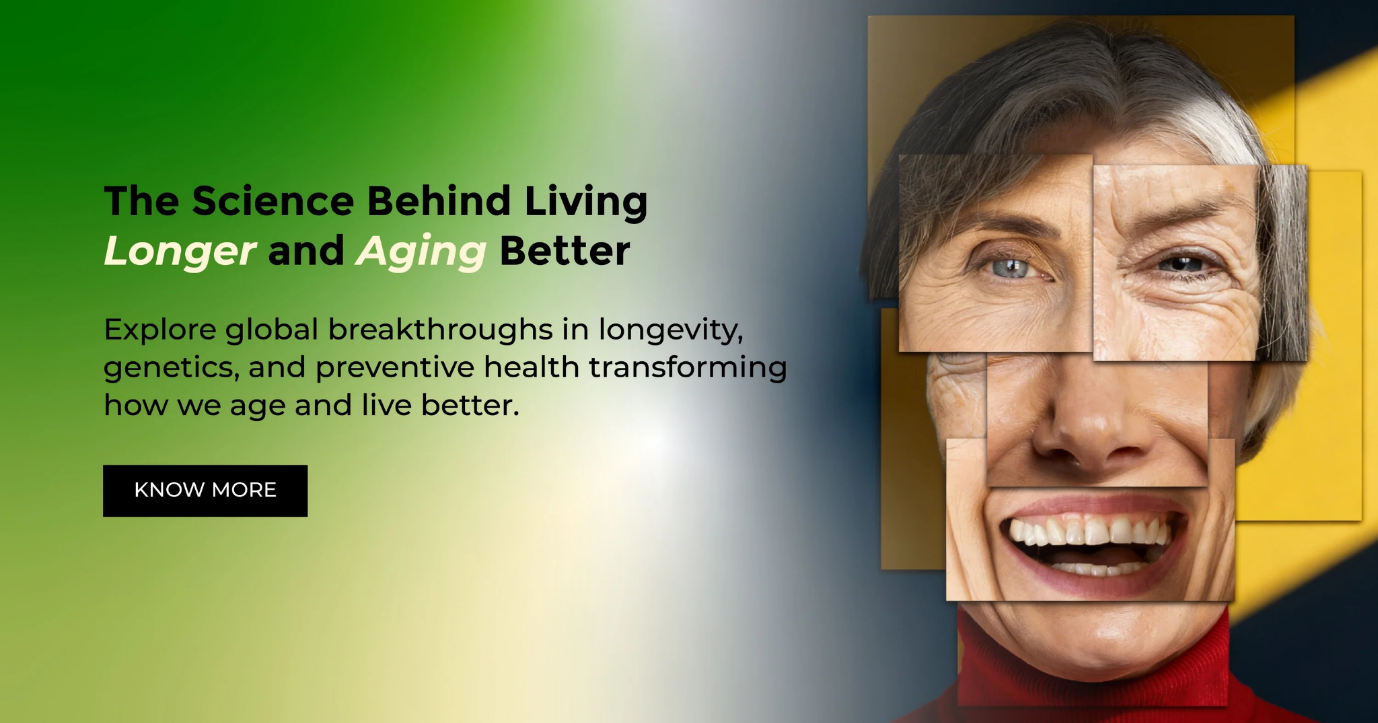
Both biotech investors and researchers have taken notice of this work done by investigators in this area and are following closely what happens to develop these potential therapies for human beings. For businesses with a digital-first strategy, this represents a great opportunity to position themselves in a growing market of wellness to one reach trillions of dollars within a given time frame.
The Klotho Breakthrough
An investigation performed by the Institut de Neurociències in conjunction with Universitat Autònoma de Barcelona (UAB), and reported in the journal Molecular Therapy, discovered that gene therapy was successful for increasing levels of secreted Klotho protein (s-KL) in mice at the age of 24 months (equivalent to ~70 human years).
Mice that received treatment demonstrated larger muscle fibers, less collagen buildup (fibrosis), better preservation of bone structure and an increase in the amount of new neurons being formed within the hippocampus.
The average life span increase for the group of mice receiving treatment was approximately 15 to 20%, with the greatest amount of benefit seen in female mice. The results for cognitive testing (memory) also showed improvement, establishing Klotho as a common target for systems involved with longevity.

Why Klotho Matters
Klotho is responsible for regulating phosphate metabolism, oxidative stress and insulin/IGF-1 signaling - these are all major hallmarks of aging. Variants of the Klotho gene have been shown to associate higher levels of Klotho with exceptional longevity in centenarians. Conversely, low levels of Klotho are associated with cardiovascular disease, kidney failure and neurodegeneration.
The therapeutic model acts by mimicking the genetic profile of a “super-ager” and will therefore increase the production rate of Klotho from within the body rather than dosing from outside the body. Systemic administration using AAV vectors (adenoviral-associated vectors) allows for delivery of the therapeutic product to the brain, muscles and bones.
From Mice to Market Potential
Translating biology between mice and humans is very difficult, however, through Klotho's conserved biology, we are able to be optimistic. Based on rodent analyses, Klotho may provide an approximate 15-year extension in humans, similar to the effects of caloric restriction and metformin. In contrast to rapamycin (which has the potential for causing imunosuppression), Klotho shows tissue-protective characteristics and has few side effects.
The implications for biotech may be electric:
- The market size is projected to reach 42 billion dollars for longevity therapeutics by 2030.
- Most other similar assets trade at 18x sales.
- There are potential exit opportunities for Klotho via Pfizer or Novo Nordisk due to their large portfolios within the field of aging.
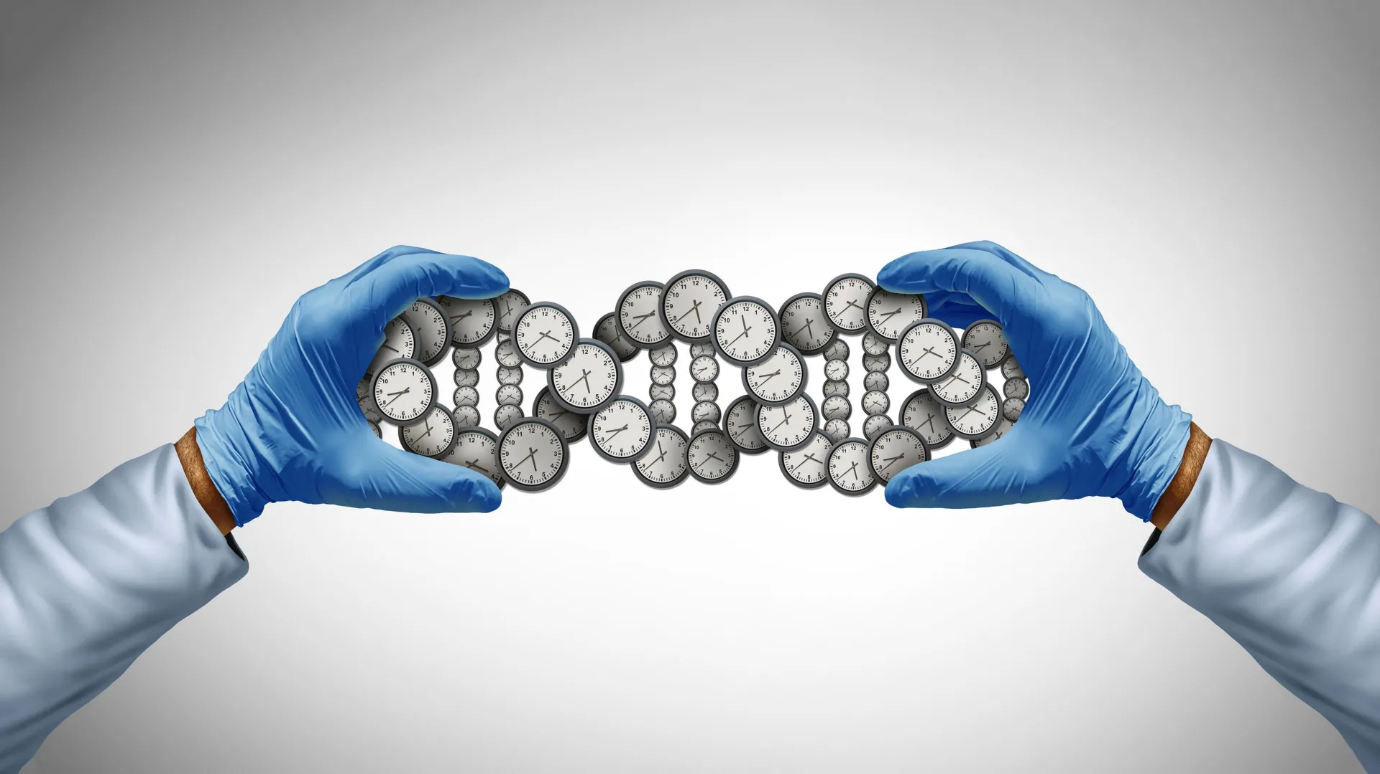
The safety profile of Klotho will support accelerated approval processes for treating age-related frailty.
Business and Investment Angle
According to Bank of America, the "longevity economy" will create a total of $27 trillion in value by 2040. Klotho agonists are expected to create $150 billion of this new value within the healthy aging market, together with senolytics and/or NAD+ precursors. In addition to this market opportunity, there are several major companies currently pursuing product development in the following areas:
- Unity Biotech — developing senolytic products. Currently in Phase 2 clinical study for treating patients with osteoarthritis.
- AltOS Labs (reprogramming stem cells) — has raised $3 billion to date from investors.
- Calico (Google) — ongoing research related to Klotho, however exact financial information regarding its Klotho research is not available at this time.
With respect to the clinical development timelines, the developers of Klotho agonists expect to conduct human safety trials in 2027 and efficacy studies in 2029. In addition, they anticipate using orphan indications (rare kidney disease) as a "fast-track" platform for approval of their products.

Challenges and Realistic Outlook
There are still concerns with translation risk: The mouse metabolic scaling is different than that of humans. AAV virus can initiate an immune response, which needs to be minimized. The delivery efficiency for aged tissues needs to be improved.
Biomarkers through epigenetic clocks (Horvath) show that biological age has been reversed in preclinical studies. There are also improved mitochondrial function levels in muscle cells that line up with the target for human sarcopenia.
From a regulatory standpoint: The FDA will have an "Aging as Disease" Regimen (2025) therefore allowing for quicker approvals based on surrogate end-points (grip strength, gait speed)
Strategic Implications
C-suite executive retirement has increased dramatically in frequency recently. At the same time, companies led by Jeff Bezos (Amazon) and Peter Thiel (Palantir) demonstrate strong fundamentals and face a $1 trillion opportunity in their markets. There are signs that corporate wellness programs are incorporating Klotho biomarkers as a means of optimizing the healthspan of executives.
Investment Thesis—Potential return of 20x by 2035—will likely be based on a platform strategy with applications for neurodegeneration and osteoporosis; also, there is the opportunity for fast-mover advantage in creating a machine to rejuvenate multiple organs.
The Bigger Longevity Picture
A genetic breakthrough makes aging an engineering problem instead of a natural phenomenon. klotho, roof on epigenetic reprogramming, senolytics, and mitochondrial therapies all converge to reframe health span compression.
digital starting points for tracking physiological indicators of the future (Oura, Whoop): therapeutics strategies to extend that trajectory moving forward. 40% lifespan growth catching world’s attention - 20% healthspan growth represents economic opportunity.
longevity medicine = the largest demographic arbitrage market. renewed protocol builds compound with respect to career capital (years 8-9+). Biological capital is the most important asset for business executives to hold in the future.
Latest Posts