

18 Million Strong How BTS and Netflix Just Proved the Future of Concerts is Digital
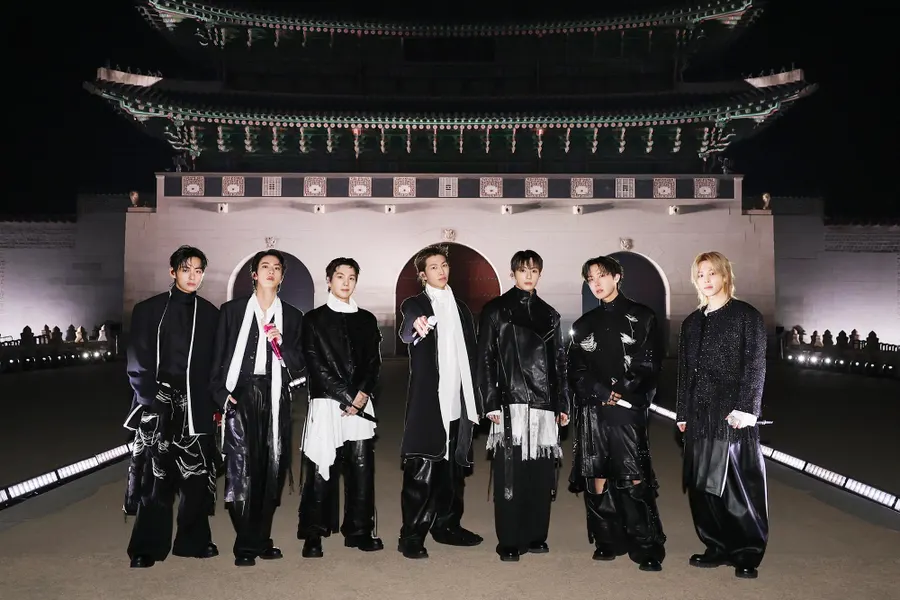
If you are in the media, live event industry, or creator tech, this isn't the first and last - this will serve as a template for how fans across the globe will experience music going forward.
The Numbers That Broke the Internet
Let’s look at the numbers first. Not only is 18 million live streams large, but it also outnumbers the population of the Netherlands. When compared to Netflix’s streaming platform, it went down due to the amount of traffic it was pushing, peaking at 1.2 terabits through Asia-Pacific. This is substantially larger than even their largest home-venue (Rose Bowl, 105,000 people) physical concert.
Moving onto revenue. The average ticket price for a physical concert is $150 to $300 per person (seat). With Netflix’s subscription model, however, they charge users with a monthly fee for access to a subscription-based platform that includes global distribution rights. As for how many paid members join Netflix after BTS was in concert streaming globally (2+ million new members), one analyst calculated the cost to make the concert was $25 million. With the addition of 2 to 3 million new subscribers within 72 hours of the concert airing on Netflix, this is not just ROI; it has changed the economics of live performances forever.
Why Digital Concerts Win Where Physical Can’t
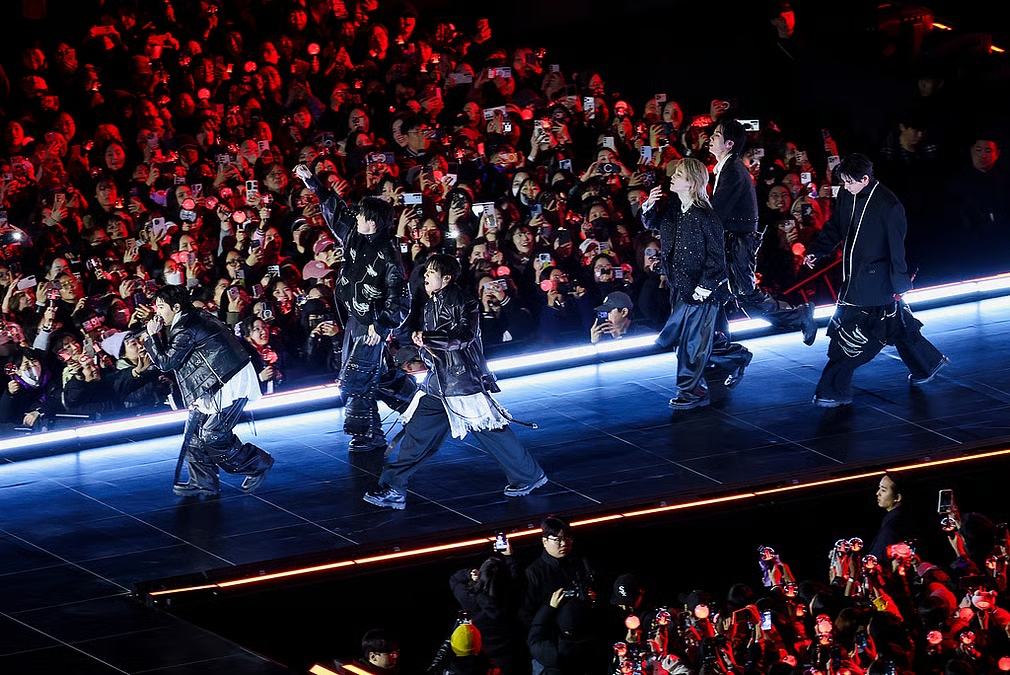
The success of BTS's digital concert with an attendance of 18 million was due to its ability to address three of the biggest concerns about attending physical live events: location, capacity, and expense. So, picture this: a fan in Jakarta can hear Jungkook's flawless high note without forking over two grand for plane tickets and a hotel room.
This was made possible by a clever blend of technology. Thanks to multi-angle, real-time crowd noise layering and 8K cameras stationed worldwide, viewers could tailor their experience. They could zoom in on V's dance break or take in the sweeping view of the purple lights at Seoul's Olympic Stadium. Synchronized lightstick control through the use of phone applications allowed viewers to feel as if they were part of something special that was happening all around the world.
The key insight for event promoters is that digital concerts do not compete with physical concerts but rather complement them. Physical concerts create an environment of scarcity and build FOMO for fans; whereas digital concerts are able to continue the moment, create a way to capture the attention of "casual" fans, and create content that will fuel the engine for months to come.
The New Live Entertainment Stack
- It wasn't just chance that produced these outcomes; both Netflix and HYBE have developed a platform for digital concerts that is now considered best practice in the industry.
- It uses tiered monetisation models (free with advertising, premium with no ad commercial, and the opportunity to purchase VIP tickets with both digital merchandise and VIP Meet & Greet activities).
- It uses Second Screen social interaction features that allow viewers to create real time emoji storms, fan cams, and AR filters; these features are also preserved indefinitely on TikTok.
- It uses global timestamping so that a live concert beginning at midnight in Seoul can be viewed in Mumbai at 5:30 am the same day without losing energy between the attendees from each city.
As a result, a single concert has produced infinite small moments; e.g., when Jimin looks at the audience while singing "Butter", the resulting video of that moment across all platforms is approximately 4 million videos each with its own unique algorithm.
Business Model Implications
When it comes to strategies for labels, venues and platforms, BTS’s 18 million viewers on Netflix demonstrate the limitation of the physical concert model. While venues may typically limit total earned revenue to the size of the physical venue for traditional touring; the earning potential from digital formats are infinite. For example, during August 2021, Taylor Swift earned over $1 billion from 149 performances on The Eras Tour in physical sales through ticketing and merchandise alone. If BTS had digitally executed their concert/experiences in the same manner utilizing merchandise, licensing and subscription growth, their earnings could have been equally high versus a single digital broadcast.
Physical attendance generates revenues predominantly from consumers aged 18 to 35, while digital audiences attract different consumer segments, including teenagers, parents, and consumers from around the world who either have no ability or desire to travel. HYBE’s stock increased by 8% following BTS’s Netflix event, affirming their metaverse shift. In addition to HYBE benefitting from their stock performance, Netflix gained a long-term retention benefit due to subscribers remaining active while awaiting the next BTS streaming product.
What Comes Next (And What You Should Build)
The future of concerts isn’t either/or—it’s both connected. Expect(c): Hybrid tickets featuring a physical seat option and a virtual copy for friends overseas. Creator concerts like MrBeast’s created a fun event and are streamed in their entirety. Metaverse venues from Decentraland or ROBLOX that feel more like concerts with a nosebleed experience.
For the platforms, the direction is perfectly clear: “build the pipes now.” Design and implement the content delivery network (CDN) needed for the next 50 million people as the same type of content delivery network that supported 18 million people will be used for this audience. Immediate low-latency live streaming and interactive overlays for concert goers in attendance or online.
The success of BTS has confirmed that digital does not weaken a fandom but rather makes it more powerful than ever before; 18 million voices together from different time zones, all saying Borahae! That is not just a concert, that is the future of relationships with one another
Latest Posts