

Trump Signs Executive Order Renaming Artificial Intelligence to 'Super Intelligence' Across Federal Government
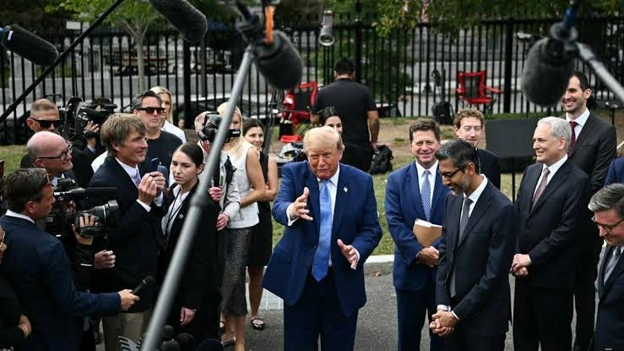
The order argues the new terminology better reflects how far the technology has advanced. It arrived alongside a separate, voluntary accord signed by major tech executives, and drew immediate criticism from lawmakers who argue a name change does nothing to address the actual risks AI poses.
What the Executive Order Actually Says
The order directs federal departments and agencies, to the maximum extent permitted by law, to use "super intelligence" and "SI" instead of "artificial intelligence" and "AI" in official correspondence, public communications, websites, reports, policy documents, and other nonstatutory materials. Notably, the new term isn't meant to cover something different or broader than before. The order specifies that "super intelligence" will apply to the exact same technologies already covered under the existing statutory federal definition of artificial intelligence.
The order also goes further than a simple style-guide update. It states that the executive branch "will not acknowledge the usage" of the old terminology in applicable settings going forward. And it isn't purely symbolic either: Trump's science and technology advisor has been given 60 days to propose legislation establishing an actual federal statutory definition of "super intelligence," including potential changes to how AI is referenced across existing US law.
How We Got Here
This rebrand didn't come out of nowhere. Trump first floated the idea publicly at the United Nations General Assembly roughly a week before signing the order, where he also pushed back against calls for tougher AI regulation. He then took the unusual step of crowdsourcing the final name on social media, asking followers to vote between "SUPER INTELLIGENCE" and "SUPERIOR INTELLIGENCE" before settling on the former. The order was signed the same day Trump unveiled America.gov, a new AI-powered website designed to help Americans navigate federal services more easily. Speaking at that launch event, Trump argued that calling the technology "artificial" undersells what it can actually do, describing it instead as extremely capable and, in his words, not artificial at all.
The Tech Industry Was in the Room For This One
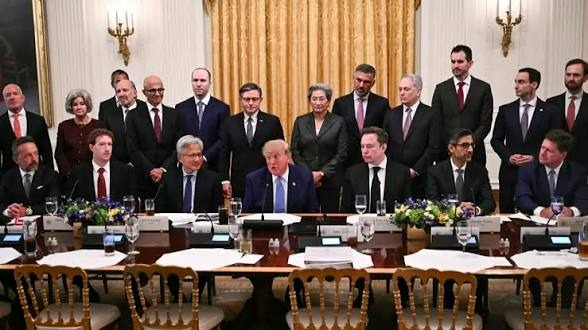
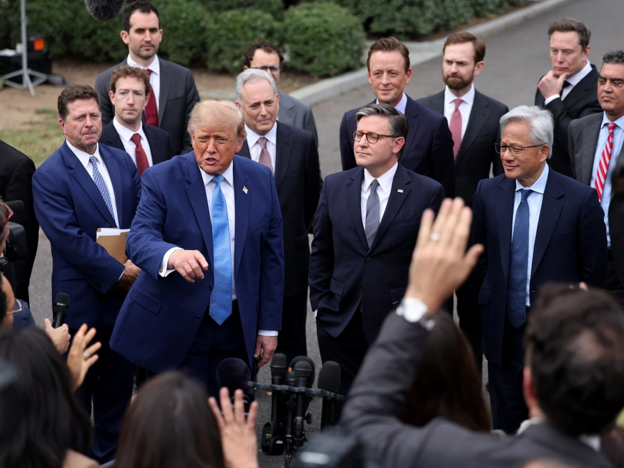
The signing followed a White House summit with major technology executives, and multiple reports place both Elon Musk and Anthropic CEO Dario Amodei among the industry leaders present for the announcement. Alongside the executive order itself, those tech leaders signed a separate document called the White House Accord on Super Intelligence, described by the administration as a voluntary framework outlining industry commitments around the technology's development. Unlike the executive order, the accord doesn't carry the force of law and functions more as a set of stated principles the signing companies have agreed to.
Why Critics Say This Misses the Point
Not everyone views the renaming as a meaningful policy move. Senate Intelligence Committee Vice Chairman Mark Warner was among the most direct critics, arguing that changing what the technology is called does nothing to address the substantive risks that increasingly powerful AI systems actually pose. That criticism lands against a broader backdrop: the order arrives at a moment when public polling suggests Trump's standing on AI-related issues has been slipping, and skeptics argue a terminology change is a low-cost way to appear to be taking action on AI without committing to any new regulatory substance. That framing fits with the administration's broader posture on AI policy. Trump has consistently favored a light-touch regulatory approach, arguing that aggressive rules could slow down American AI development and hand an advantage to competitors, China in particular. He has also repeatedly dismissed warnings from AI safety researchers and industry whistleblowers about insufficient oversight, characterizing those concerns as overblown. The executive order itself doesn't create any new regulatory framework for the AI industry; its scope is limited to terminology used within the federal government's own communications and documents.
What This Doesn't Change
It's worth being precise about the order's actual limits. It doesn't alter any existing law governing AI development, deployment, or oversight. It doesn't impose new requirements on private companies building AI systems. And it doesn't change the underlying technology in any way, only the label federal agencies are directed to use when referring to it. The eventual legislative proposal defining "super intelligence" in statute could theoretically open the door to more substantive changes down the line, but that remains a 60-day-out possibility rather than something the order accomplishes on its own.
FAQs
1. Does this executive order create new AI regulations?
No. The order only directs federal agencies to change the terminology they use when referring to AI in official communications; it doesn't establish new rules governing AI development or use.
2. Why did Trump choose the term "super intelligence"?
Trump has argued that "artificial" undersells the technology's actual capabilities, and he crowdsourced the specific term through a public social media poll before settling on "super intelligence" over "superior intelligence."
3. Which tech leaders were involved in the announcement?
Reports indicate Elon Musk and Anthropic CEO Dario Amodei were among the technology executives present, and several industry leaders separately signed a voluntary White House Accord on Super Intelligence.
4. Will federal law officially define "super intelligence"?
Not yet. The order gives Trump's science and technology advisor 60 days to propose legislation that would establish a formal statutory definition, but no such law exists as of the order's signing.
Latest Posts