

Three Working Groups Will Shape the Next Climate Assessment
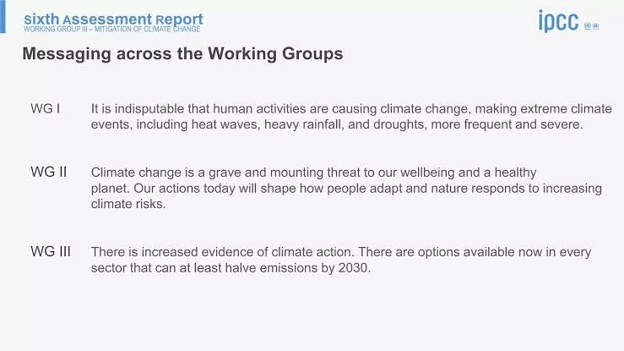
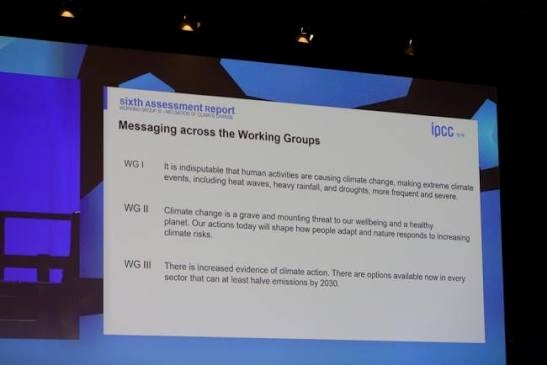
Working Group I — Physical Science Basis: Examines observed and projected climate changes, greenhouse gas concentrations, climate processes, and regional climate patterns.
Working Group II — Impacts, Adaptation and Vulnerability: Assesses how climate change affects people, ecosystems, infrastructure, and economies, alongside approaches to preparing for and managing those impacts.
Working Group III — Mitigation of Climate Change: Evaluates options for reducing greenhouse gas emissions, including energy transitions, industrial changes, transport, and other pathways towards lower-emission development.

These contributions are interconnected. Understanding how the climate is changing helps policymakers assess future risks, while impact assessments identify where adaptation is most urgent. Mitigation research, meanwhile, examines how different policy and technology choices could influence future emissions. Together, the reports will provide a comprehensive scientific foundation for decisions on climate action.
Why the Meeting Matters for Global Climate Policy
The Addis Ababa session comes as countries continue to face pressure to strengthen climate action while balancing economic development, energy security, and public welfare. Many governments are dealing with increasingly difficult questions about how to reduce emissions while expanding access to reliable energy, creating employment, and protecting vulnerable communities. Updated scientific assessments can help decision-makers understand the risks associated with different development pathways and evaluate the likely consequences of delaying action. The timing of AR7 is particularly important because the next assessment of global climate action under the Paris Agreement is expected to require a strong scientific foundation. According to recent reporting, some countries want the working-group reports completed in 2028 so that their findings can inform the next Global Stocktake process. Others have raised concerns about whether such a timetable would provide sufficient time for scientific review and participation. The outcome of the plenary could therefore influence how effectively the latest climate evidence feeds into international policymaking.
Climate Finance and Developing Countries Remain Important Considerations
The debate over the assessment timeline also raises questions about equity and international scientific participation. Developing countries often face significant climate risks while having fewer financial and institutional resources available for research, adaptation planning, and participation in international scientific processes. A demanding publication schedule could make it harder for some experts and governments to contribute fully, particularly when scientific teams must balance assessment work with their existing responsibilities. At the same time, delaying updated assessments can create challenges for countries that urgently need better information to plan for floods, droughts, extreme heat, coastal risks, and other climate-related threats. This makes inclusive participation essential. A credible global assessment should incorporate scientific expertise and regional evidence from different parts of the world, rather than allowing resource constraints to limit whose knowledge is represented. The Addis Ababa discussions will therefore matter not only for the publication calendar but also for the balance between speed, scientific quality, and international representation.
What Happens After the Addis Ababa Plenary?
The immediate objective is to establish a workable path for the seventh assessment cycle, including decisions on the timetable and associated budget considerations. The meeting will not itself produce the completed Seventh Assessment Report or establish binding climate policies for individual countries. Instead, it will help determine the conditions under which the scientific assessments progress towards publication.
The IPCC has also scheduled additional reports during this assessment cycle. These include a Special Report on Climate Change and Cities, planned for March 2027, and methodology reports addressing short-lived climate forcers and carbon dioxide removal technologies. These publications are intended to provide more focused scientific and methodological guidance alongside the broader assessment work. Once the working-group assessments are completed, their findings will be brought together in the AR7 Synthesis Report. The IPCC's published planning information identifies late 2029 as the target for its release, although the wider assessment schedule remains a key issue under discussion. The final timetable agreed by member governments will help clarify the next steps for authors, reviewers, and the institutions relying on their work.
Conclusion
The IPCC's 65th plenary session in Addis Ababa represents an important moment for international climate science. While the meeting is not designed to formalise a new global climate strategy, its decisions on the Seventh Assessment Report's timeline and budget could shape how quickly updated scientific evidence reaches policymakers. The discussions will test whether governments can balance the urgency of climate action with the time required for rigorous research and meaningful international participation. Ultimately, the effectiveness of global climate policy depends partly on access to credible, timely, and comprehensive scientific information. A workable agreement in Addis Ababa would help provide greater clarity for researchers and governments as they prepare for the next phase of climate assessment. With climate risks continuing to influence economies, ecosystems, and communities worldwide, ensuring that the next generation of IPCC reports is both scientifically robust and internationally inclusive remains a significant global priority.
Frequently Asked Questions (FAQs)
1. What is the IPCC 65th plenary session?
The IPCC's 65th plenary session is a meeting of member governments scheduled for October 12–15, 2026, in Addis Ababa, Ethiopia. Delegates are expected to discuss budget matters and the timeline for the three working-group contributions to the Seventh Assessment Report.
2. What is the Seventh Assessment Report (AR7)?
AR7 is the IPCC's next major climate assessment. It will examine the physical science of climate change, its impacts and vulnerabilities, and options for reducing greenhouse gas emissions. Its findings will support governments in developing evidence-based climate policies.
3. Why is the IPCC assessment timeline controversial?
Countries have differing views on how quickly the reports should be completed. Some want updated findings available in time for upcoming global climate assessments, while others emphasise the need for adequate review time, scientific quality, and fair participation by developing countries.
4. Will the Addis Ababa meeting introduce new global climate laws?
No. The plenary focuses on the IPCC's scientific assessment process, budget, and publication schedule. Its decisions can influence future climate policymaking, but the meeting itself does not establish binding emissions targets or new international climate laws.
5. When is the IPCC Seventh Assessment Report expected to be completed?
The overall assessment includes three working-group reports followed by a Synthesis Report. The IPCC's published planning information identifies late 2029 as the target for the Synthesis Report, while the timeline for the individual working-group contributions is a key issue for the October 2026 plenary.
Latest Posts