

Dow Drops 652 Points as Brent Crude Hits 116.72, Its Highest Settlement Since April, Ahead of the Fed Meeting
What Happened on Friday
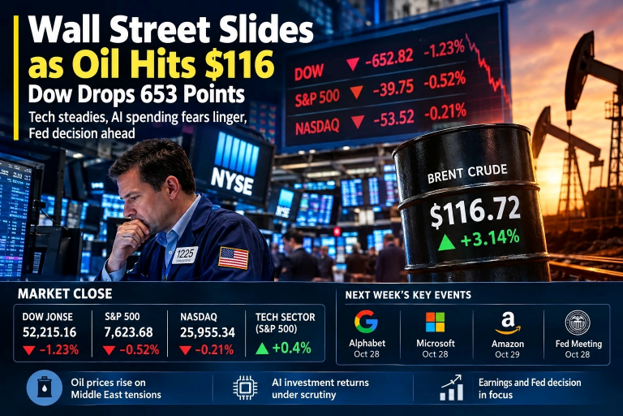
The numbers were stark. The Dow Jones Industrial Average fell 652.82 points, or 1.23%, to 52,215.16 on October 23. The S&P 500 lost 0.52% to 7,623.68, while the Nasdaq Composite declined 0.21% to 25,955.34. It was a rough close after a decent run. The Dow had snapped a three-session winning streak, and at one point during the day the drop exceeded 800 points. The weakness also wasn't confined to a single corner of the market. Nearly three out of every four stocks in the S&P 500 fell.
Oil Takes Centre Stage
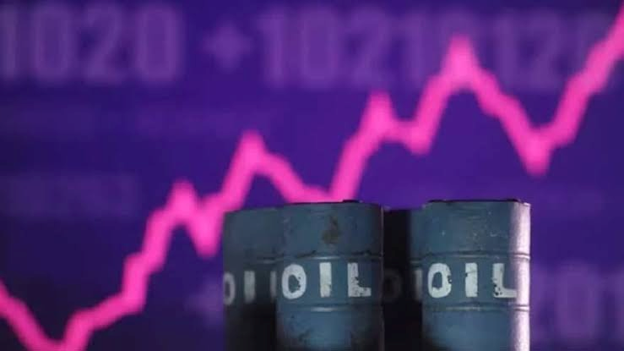
The main driver was crude. Brent rose 3.1% to settle at $116.72, its highest settlement since April. That marked another leg higher in a steady climb. Brent posted its third consecutive weekly gain, while US crude closed just above $103 a barrel. The jump came as fears grew about a fresh escalation in the region. Reports suggested the US and Israel may be drawing up plans for renewed attacks on Iran as part of a regional war that began in late February. When traders sense supply risks, oil moves fast, and stocks often react in the opposite direction.
Why Oil Spooks the Stock Market
Higher crude doesn't just hit your petrol bill. It raises costs for airlines, shipping firms, manufacturers, and nearly every business that moves goods. Those costs often get passed on to shoppers, which can push inflation up and squeeze spending. Friday's selling hit consumer and cyclical stocks in particular, reflecting fears of renewed inflation and a pullback in spending. Investors also worry about what higher prices might force central banks to do. In short, an oil spike can turn a calm market into a nervous one very quickly.
The Fed Factor
All of this lands right before one of the most closely watched events on the calendar. The Federal Reserve meets on October 27 and 28. The expectation going in is fairly calm. CME FedWatch pricing showed about a 90% probability that the current target range would stay unchanged. That figure is a market estimate, not a promise, and policymakers can always surprise. Still, a hold is what most traders are planning for.
Why the Fed's Tone Matters More Than the Decision
If rates are likely to stay put, why does the meeting matter? Because markets listen closely to how officials talk about the future. With oil prices rising, traders are asking whether higher energy costs could keep inflation stubborn for longer. Wall Street expects a hold this week but is leaning toward another rate hike in December, and the Fed's preferred inflation gauge is also due next week. A cautious or hawkish tone could weigh on stocks, while a reassuring one might calm nerves. In practice, the press conference may move markets more than the headline decision.
It Wasn't Only About Oil
It's tempting to pin everything on crude, but the picture is slightly more complicated. Technology stocks recovered on Friday, yet energy costs and weakness elsewhere pulled all three indexes lower. The Dow also came into the day on a high, since it had climbed about 900 points over the previous three sessions. After a run like that, profit-taking before a weekend and a big central bank meeting isn't unusual. For the week as a whole, the Dow actually gained 0.4%, its third straight weekly rise, while the S&P 500 and Nasdaq slipped. So one bad day doesn't erase the broader trend, though it does show how fragile sentiment can be.
What Investors Should Keep in Mind
Days like this are unsettling, but they're also a normal part of investing. Sharp one-day drops happen, and history shows that markets often recover over time, though nothing is guaranteed. Long-term investors usually do better by sticking to a plan than by reacting to each headline. If you hold funds or stocks, check that your portfolio matches your goals and risk comfort rather than making sudden moves. It can also help to remember that energy prices can reverse quickly if tensions ease. Avoid making big decisions based on a single session.
What to Watch This Week

A few things will shape direction from here. First, the Fed's statement and press conference, especially any comments on inflation and energy prices. Second, how oil behaves as geopolitical news develops, since it's reacting to headlines almost in real time. Third, the inflation data due later in the week, which could shift expectations for December. Fourth, company earnings, which continue to provide clues about how businesses are coping with higher costs. Volatility is likely to stay elevated until some of these questions get clearer answers.
Final Thoughts
Friday's sell-off was a reminder that markets don't move on earnings alone. Oil, geopolitics, and interest rates are tangled together, and a jolt in one can ripple through the others. With the Fed meeting days away, investors are in wait-and-see mode, trying to read the signals without overreacting. Staying informed and calm is usually the smartest approach. This article is for general information only and isn't financial advice.
Frequently Asked Questions
1. Why did the Dow drop 652 points on Friday?
Rising oil prices and Middle East tensions fuelled fears of inflation and slower spending, which led to broad selling. Profit-taking after a three-day rally and caution ahead of the Fed meeting added to the pressure.
2. What price did Brent crude settle at?
Brent settled at $116.72 a barrel, up 3.1% on the day. That was its highest settlement since late April.
3. When is the Fed meeting, and what is expected?
The Federal Reserve meets on October 27 and 28. Markets widely expect it to leave rates unchanged, although traders will watch its comments on inflation closely.
4. How do higher oil prices affect the stock market?
They raise costs for businesses and consumers, which can feed inflation and squeeze profits. That tends to hurt cyclical and consumer-focused stocks in particular.
5. Should I sell my investments when markets fall like this?
Not necessarily. Single-day drops are common, and long-term investors generally do better by following their plan. If you're unsure, consider speaking to a qualified financial adviser.
Latest Posts